

You know that feeling when you finally decide to start applying again after a long break, maybe months, maybe years, and you open your old resume and just stare at it?
It does not feel like “you” anymore.
Maybe you took time off for family. Maybe burnout forced you to step away. Or maybe life simply shifted in a direction you did not plan for.
Whatever the reason, trying to update your resume after a long break and return to the job market can feel uncomfortable, even a little intimidating.
Let’s be honest, most job seekers do not realize how differently resumes are evaluated today compared to just a few years ago. Especially after a gap, the rules quietly change.
And this is where a lot of resumes quietly fail.
Not because people lack experience, but because the resume no longer tells a clear, confident story.
If you are applying and hearing nothing back, this might be why.
Why a Long Career Break Makes Resume Writing Tricky
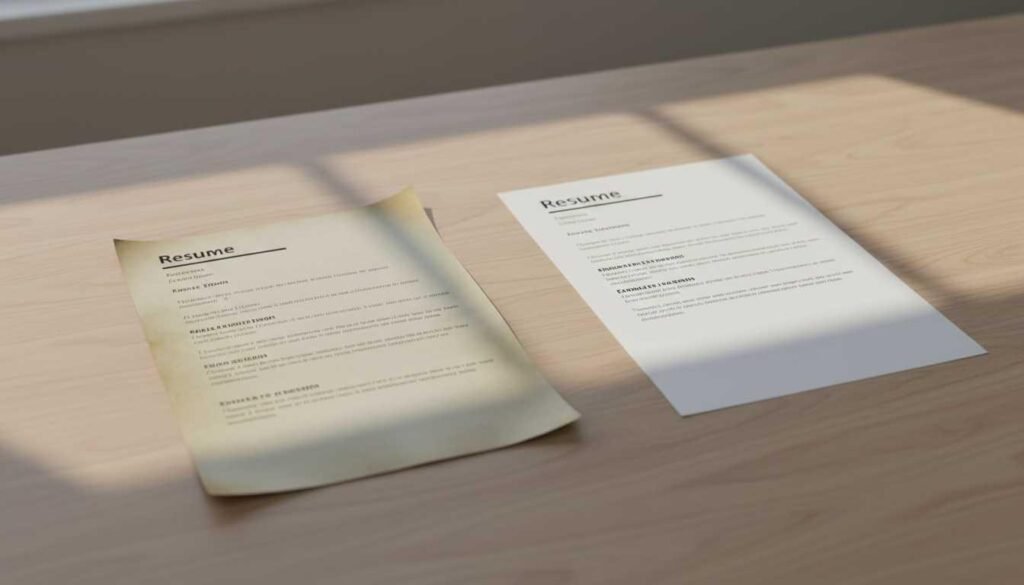
A career break is not automatically a problem. Hiring managers see them more often than ever.
The issue is not the gap itself, it is how it is presented.
When a recruiter opens your resume, they are trying to answer one simple question:
“Is this person still relevant for the role today?”
If your resume does not quickly answer that, it gets ignored.
Most job seekers try one of two extremes:
- They hide the gap completely
- Or they over-explain it with personal details that do not help the application
Both approaches weaken your chances.
A strong resume writing service understands how to position this period in a way that feels natural, confident, and relevant to today’s hiring standards.
What Recruiters Actually See When There’s a Gap
This is something most candidates misunderstand.
Recruiters are not “against” career breaks.
They are scanning for three things:
- Relevance of skills
- Recent activity or upskilling
- Clarity of career direction
If your resume looks outdated, or disconnected from the role you are applying for, it often gets skipped.
Not because you are unqualified, but because the signal is unclear.
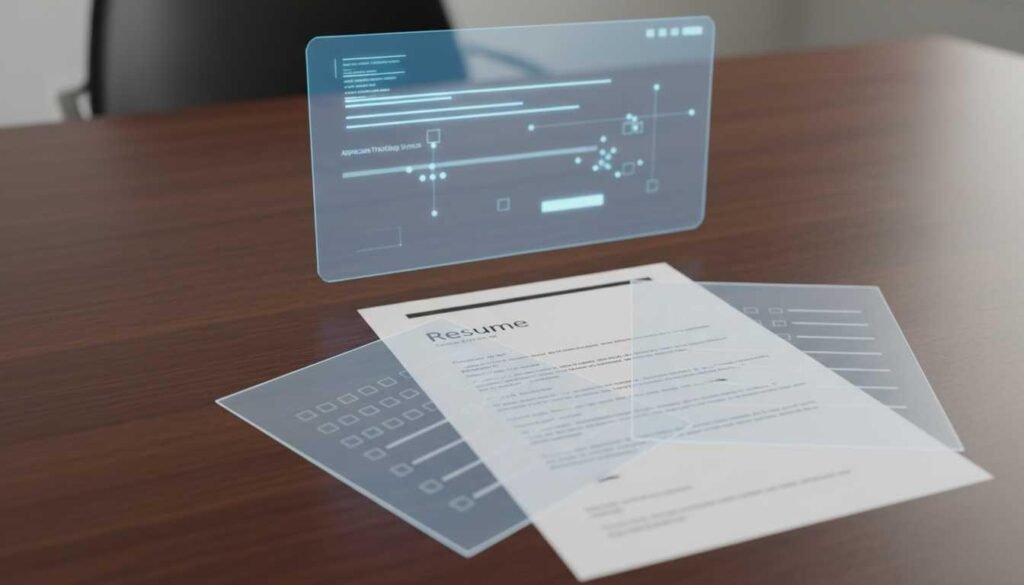
This is also where ATS systems come in.
An ATS-friendly resume is not just about keywords. It is about structure, clarity, and alignment with job descriptions.
If your resume is not optimized properly, it may never even reach a human recruiter.
Update Your Resume After a Long Break the Right Way
Updating your resume after a long gap is not about starting over. It is about reframing what you already have.
Let’s break it down.
Reframe the Gap (Do Not Hide It)
One of the biggest mistakes job seekers make is trying to erase the break.
Recruiters can always see timelines.
Instead of hiding it, position it briefly and professionally.
For example:
- Career break for family responsibilities
- Professional development and skill enhancement
- Freelance or consulting work during transition
Keep it simple. No long explanations needed.
What matters is what you did during that time that still adds value.
Focus on Skills, Not Just Timeline
This is where many resumes fall behind.
Modern hiring is less about “what did you do year by year” and more about:
- What can you do now
- How relevant your skills are today
- Whether you can solve the company’s problem
So instead of only listing job history, shift your focus to:
- Skills section aligned with current job roles
- Achievements that demonstrate capability
- Tools, platforms, and systems you have used recently
This approach instantly improves your ATS-friendly resume performance.
Update Your Resume Structure for Today’s Hiring

If your resume has not been updated in a few years, structure matters more than you think.
Modern resumes should be:
- Clean and scannable
- Keyword optimized for ATS
- Focused on impact, not duties
- Easy to match with job descriptions
This is where resume help from professionals can make a noticeable difference.
A strong structure typically includes:
- Professional summary (not an objective)
- Core skills section
- Relevant experience
- Education and certifications
- Optional projects or freelance work
Add Meaningful Experience From the Break Period
A gap does not have to be empty.
You can include:
- Freelance work
- Volunteer projects
- Online certifications
- Personal projects relevant to your field
- Consulting or part-time work
Most job seekers do not realize how powerful this can be.
Even small projects show initiative and continuous learning, which hiring managers value.
Align Your Resume With LinkedIn
This step is often ignored, but it matters more than people think.
If your resume says one thing and your LinkedIn says another, it creates confusion.
Strong LinkedIn optimization ensures:
- Consistent job titles and timelines
- Matching skills and keywords
- A professional summary that supports your resume story
Recruiters often check both before making decisions.
Common Resume Mistakes After a Career Break
This is where most resumes quietly lose opportunities.
- Trying to hide the gap completely
- Using outdated job descriptions
- Writing long, unfocused summaries
- Ignoring ATS optimization
- Listing responsibilities instead of achievements
- Not tailoring resumes for each role
If your resume is not getting interviews, it is usually not the gap itself. It is how the gap and experience are presented.
How ATS Systems Impact Your Resume After a Break

Let’s clear something up.
ATS systems are not “rejecting you personally.”
They are filtering based on relevance.
If your resume does not match job keywords or structure expectations, it may not pass the first scan.
This is why passing the ATS is now a critical skill for job seekers.
Common ATS issues include:
- Missing keywords from job descriptions
- Poor formatting (tables, graphics, complex layouts)
- Unclear job titles or timelines
- Lack of measurable achievements
An experienced resume writing service understands how to balance ATS requirements with human readability.
Resume vs AI Resume
AI tools can generate resumes quickly, but speed is not the same as strategy.
A resume vs AI resume comparison usually looks like this:
AI-generated resumes:
- Generic phrasing
- Weak personalization
- Limited understanding of hiring intent
Human-written resumes:
- Tailored storytelling
- Industry-specific positioning
- Strategic keyword placement
- Better alignment with recruiter expectations
Most hiring professionals can tell the difference instantly.
AI can assist, but it cannot fully replace strategic resume writing service expertise.
Case Study: Returning to Work After a 4-Year Break
Let’s look at a real-world scenario.
A mid-level operations manager took a 4-year break for family responsibilities. When she returned, she applied to over 60 roles with no responses.
Her original resume:
- Large unexplained gap
- Outdated terminology
- No recent skills listed
- Focused heavily on old job duties
After a professional resume review, the changes included:
- Clear, simple explanation of the break
- Added online certifications and project work
- Updated ATS keywords aligned with operations roles
- Strong achievement-focused bullet points
Result:
- First interview within 10 days
- 3 interview calls in 3 weeks
- Job offer within 6 weeks
The experience did not change. The positioning did.
Signs You Need Professional Resume Help
You may benefit from resume help if:
- You are applying but getting no interviews
- You are unsure how to explain your gap
- Your resume feels outdated or generic
- You are switching industries or roles
- You are not confident your resume is ATS-friendly
- You are not sure what recruiters actually want
Sometimes the issue is not effort. It is direction.
This is where comparing options like professional resume services vs freelancers can help you decide the right path.
Frequently Asked Questions
Why is my resume not getting interviews?
Usually due to poor keyword alignment, unclear structure, or weak ATS optimization rather than lack of experience.
Are ATS-friendly resumes really important?
Yes. Most companies use ATS filters before a human even sees your resume.
Is it worth hiring a resume writer?
If you are struggling with interviews or career transition, a professional can significantly improve positioning and clarity.
How long should a resume be?
Most professionals should aim for one to two pages depending on experience level.
Can a resume help me switch careers?
Yes, if it is strategically written to highlight transferable skills and relevant achievements.
What is reverse recruiting?
It is a service where experts apply and position you for roles on your behalf, improving visibility and interview chances.
Final Thoughts
Updating your resume after a long break is not just a formatting exercise.
It is about rebuilding your professional story in a way that makes sense for today’s job market.
A good resume does more than list your experience. It tells your story in a way that makes someone want to interview you.
If you feel like your resume is not reflecting your current potential, it may be time for a second set of expert eyes.
Get Support With Your Resume
If you are serious about getting interviews again, you do not have to figure this out alone.
You can:
- Get a free resume review
- Book a free consultation with a resume expert
- Explore a tailored professional resume writing service
- Ask about LinkedIn optimization or job application support
- Learn more about reverse recruiting services
Sometimes the right strategy is not working harder. It is presenting yourself better.