



You send out a resume. You wait.
A few days pass. Then weeks. Nothing.
No interview call. No rejection email. Just silence.
Why 75% of resumes never reach a human recruiter comes down to one simple reality. Most resumes are filtered out before a recruiter ever sees them.
Let’s be honest, this is the part of job searching that wears people down. Not the work itself, but the feeling that your applications are disappearing into a void.
Most job seekers don’t realize this, but in many cases, your resume is never seen by a human recruiter at all.
It was filtered out long before that.
And once you understand why that happens, the job search starts to make a lot more sense.
The Hidden System That Screens Your Resume First

Before a recruiter reads anything, your resume usually goes through an Applicant Tracking System, or ATS.
This system is used by most companies today, especially mid to large organizations. Its job is simple. Sort applications, filter candidates, and reduce manual workload.
But here is the part that surprises most people.
It does not read your resume like a human.
It scans it like data.
That means structure, formatting, keywords, and relevance all matter more than most job seekers realize.
If the system cannot properly read or match your resume, it never moves forward.
This is where a large percentage of resumes quietly fail.
Why 75% of Resumes Never Reach a Human Recruiter

There is no single reason. It is usually a combination of small issues that add up.
Let’s break it down clearly.
The Resume Cannot Be Read Properly
This is more common than people think.
ATS systems struggle with:
- Columns and multi-layout designs
- Tables used for formatting
- Icons instead of text
- Graphics or embedded elements
- Unusual fonts or spacing
A resume might look polished to you, but completely break when parsed by software.
If the system cannot read it correctly, it cannot score it correctly.
And if it cannot score it, it gets ignored. This is a major reason why ATS-friendly resume formatting matters more than design trends.
Keyword Mismatch Between Job and Resume
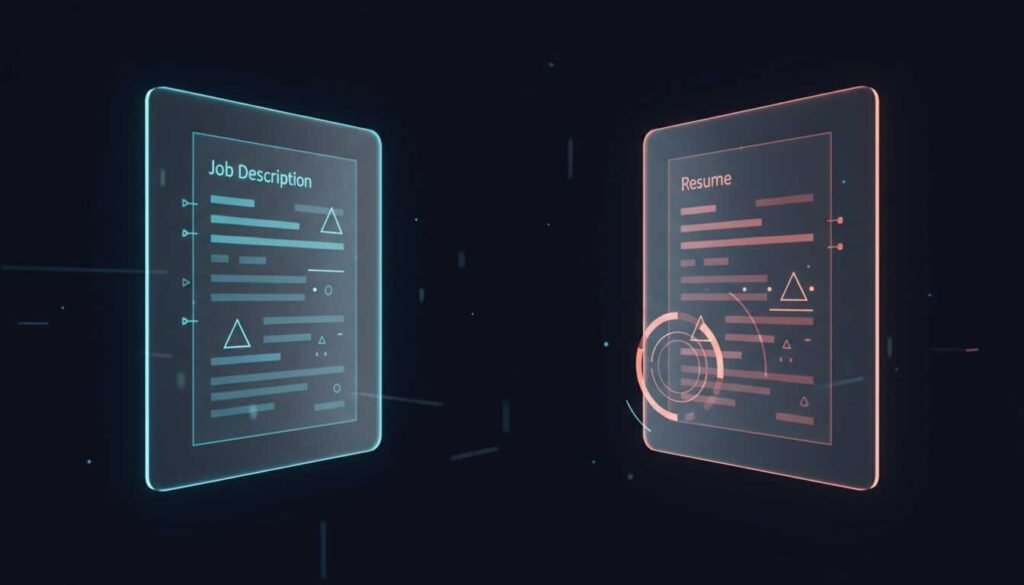
Most resumes fail here.
Every job description contains signals. Skills, tools, responsibilities, and expectations.
The ATS looks for those exact signals. If your resume does not include them in a natural way, it lowers your match score.
For example:
Job description says:
- Stakeholder management
- Budget oversight
- Cross-functional leadership
Your resume says:
- Managed teams
- Oversaw operations
- Worked with departments
You might be describing the same experience, but the system does not interpret it the same way.
This is one of the most important parts of how to pass ATS filters.
Generic Resume Structure
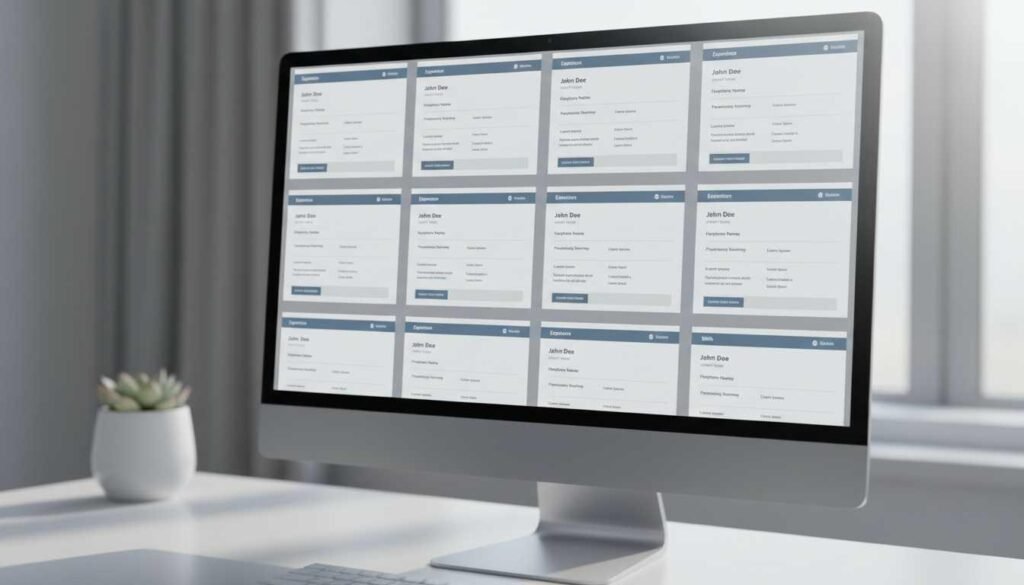
Let’s be honest here.
Most resumes look the same.
They follow templates, not strategy.
The problem is not the format itself, but the lack of personalization.
Recruiters can immediately tell when a resume is:
- Copy pasted
- Not tailored to the role
- Focused on duties instead of outcomes
This is where many professionals quietly lose opportunities.
Even strong candidates get overlooked because their resume does not clearly position them.
No Clear Career Story

A resume is not just a list of jobs.
It is a career narrative.
If your resume jumps between roles without explaining progression, impact, or direction, it becomes harder to evaluate.
Recruiters are asking:
- What level is this person at
- What kind of roles fit them
- Do they show growth or consistency
If your resume does not answer that quickly, it is often skipped.
Weak Alignment With LinkedIn Profile

This is becoming more important every year.
Recruiters often check LinkedIn after reviewing a resume.
If your LinkedIn optimization does not match your resume, it creates confusion.
Different job titles, different timelines, or inconsistent messaging can reduce trust instantly.
Your resume and LinkedIn should feel like two versions of the same story.
Not two different careers.
What Recruiters Actually Look For
This is where things become clearer. Recruiters are not reading every line. They are scanning for signals.
They want to quickly see:
- Relevant job titles
- Industry alignment
- Measurable achievements
- Clear progression
- Role fit based on keywords
If your resume does not communicate this in seconds, it is often moved aside.
Not because you are unqualified, but because the signal is unclear.
Why AI Resumes Are Not Enough
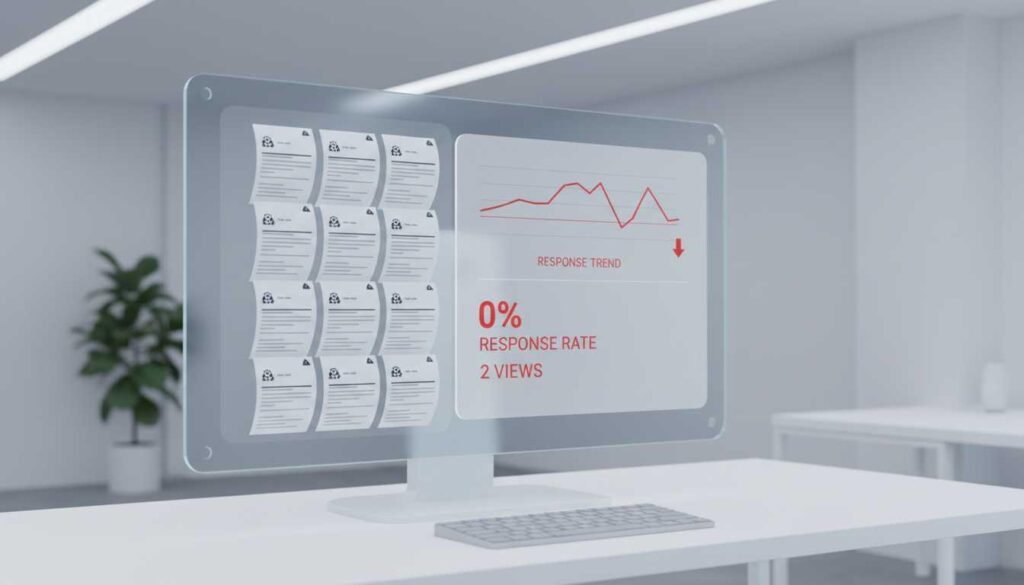
AI tools have made resume writing faster.
But faster does not always mean better.
A resume vs AI resume comparison usually shows this gap clearly.
AI-generated resumes often:
- Sound generic
- Miss role-specific nuance
- Overuse vague phrases
- Lack strategic keyword placement
- Fail to highlight real achievements properly
A human-driven resume writing service focuses on something different.
It focuses on positioning.
Not just wording.
And in hiring, positioning matters as much as experience.
Resume Mistakes That Quietly Kill Interviews
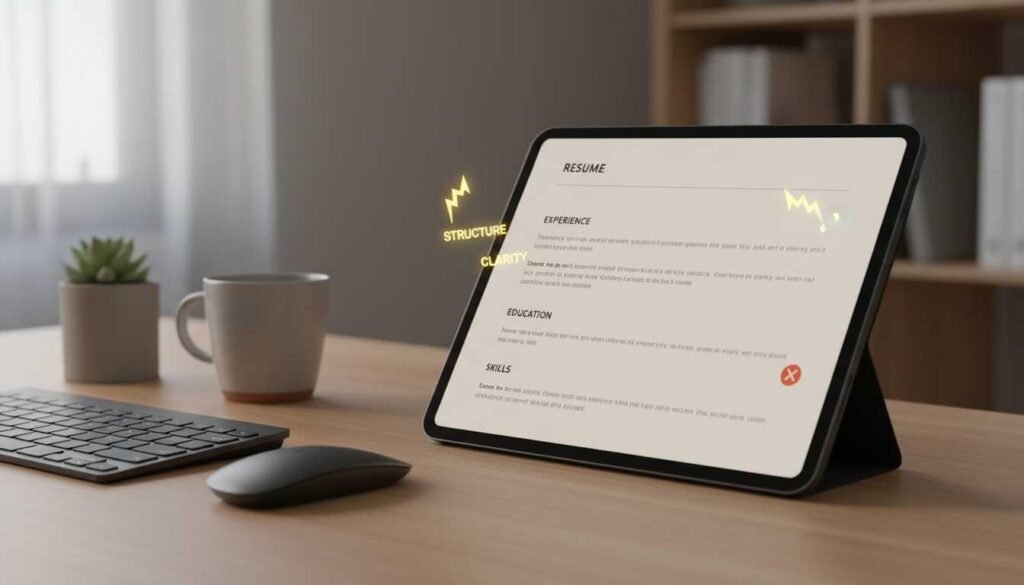
Here are some of the most common issues we see during resume review work:
Resume mistakes:
- Overly long job descriptions
- No measurable outcomes
- Weak or missing summary section
- Same resume used for every application
- Lack of job-specific tailoring
- Poor keyword integration
- Outdated formatting
Most job seekers are not doing everything wrong.
They are just missing the strategic layer.
Signs Your Resume Is Not Working
If you are unsure, here are simple indicators:
- You are applying regularly but getting no interviews
- You rarely receive recruiter responses
- You feel your resume does not reflect your experience
- You are guessing what to improve
- You are sending the same resume everywhere
If this sounds familiar, it is usually not a job market issue alone. It is a resume visibility issue.
Case Study: How One Resume Went From Invisible to Interview-Ready
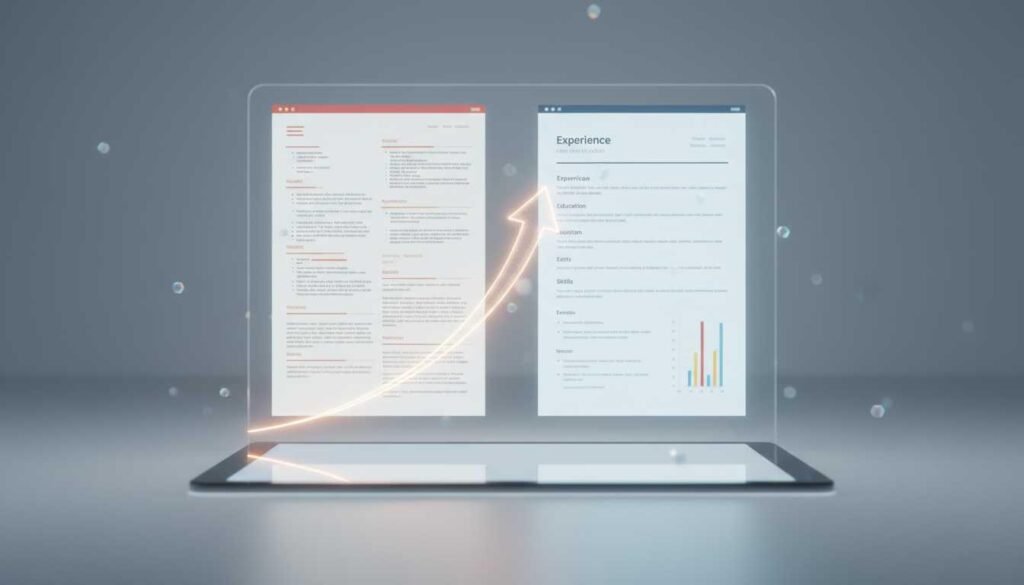
We worked with a mid-career engineer who had been applying for months with no response.
Strong background. Solid experience. No interviews.
His resume problem was not capability. It was a translation.
Before:
- Worked on system improvements
- Assisted in project delivery
- Supported engineering teams
After strategic restructuring:
- Led system optimization reducing downtime by 35 percent
- Delivered 12 engineering projects across multi-site operations
- Collaborated with cross-functional teams improving deployment efficiency
Same experience.
Different clarity.
Within weeks, interview requests started coming in. This is what structured resume writing can change.
Common Myths About Job Applications
Let’s clear a few things up.
More applications mean better results
Not always. Targeted applications with optimized resumes perform better.
Templates are enough
Templates help structure, but they do not solve positioning issues.
ATS is the only problem
No. Human decision-making still matters after ATS screening.
AI resumes are enough
They are helpful, but not strategic enough for competitive roles.
When Professional Resume Help Makes Sense
You may not need help in every case.
But professional support becomes valuable when:
- You are not getting interviews despite strong experience
- You are changing careers or industries
- You are targeting senior or competitive roles
- You are unsure how ATS systems evaluate your resume
- You want a clearer job search strategy
This is where a professional resume writing service or structured resume help can make a measurable difference.
We have helped professionals across industries improve their resumes, LinkedIn profiles, and overall job application strategy.
And in many cases, small changes create significant results.
Resume and Job Search Alignment Matters

A resume alone is not enough anymore. It works as part of a system that includes:
- LinkedIn optimization
- Targeted job applications
- Cover letter strategy
- Role-specific positioning
When these elements align, visibility increases.
When they do not, even strong candidates get overlooked.
Frequently Asked Questions
Why is my resume not getting interviews?
Usually due to ATS filtering, weak keyword alignment, or unclear positioning.
Are ATS-friendly resumes really important?
Yes. Most companies use ATS systems before human review.
Is it worth hiring a resume writer?
If you are not getting interviews or targeting competitive roles, it can significantly improve outcomes.
How long should a resume be?
Typically one to two pages depending on experience level.
Can a resume help me switch careers?
Yes, if it is rewritten to highlight transferable skills and relevant positioning.
What is reverse recruiting?
It is a service where experts actively support your job search, including applications and positioning.
Final Thoughts
A resume is not just a document.
It is a filter.
And right now, most resumes are failing that filter long before a human ever sees them.
Not because people lack experience, but because the experience is not being translated in a way that systems and recruiters can recognize quickly.
A strong resume does more than list your history.
It connects your experience to what employers are actually looking for.
If you are struggling to get interviews, it may not be your effort that is the issue.
It may be your visibility. If you want clarity, start with a free resume review.
Or book a free consultation with a resume expert to understand what is blocking your applications.
You can also explore:
- Professional resume writing service options
- Resume review and optimization support
- LinkedIn optimization packages
- Job application help and reverse recruiting support
At the end of the day, a good resume does more than describe your career. It gets you into the room where decisions are made.