



Resume Keywords by Industry in 2026 can decide whether your resume gets interviews or gets ignored completely.
And still, nothing happens.
No interviews. No callbacks. Just silence after applying.
Let’s be honest, that silence is one of the most frustrating parts of a job search. You start wondering if your experience is the issue or if something else is going wrong.
Most job seekers don’t realize this, but in 2026, resumes are often filtered before a human ever reads them. The deciding factor is not just experience. These are keywords.
And if your resume does not speak the language of the job description, it quietly disappears.
This is where a lot of resumes fail.
At our professional resume writing service, we see this every day. Strong candidates getting overlooked simply because their resumes are not aligned with how hiring systems and recruiters actually search for talent.
This guide will walk you through resume keywords by industry, how ATS systems read them, and how to use them in a way that leads to real interviews.
Why Resume Keywords Decide Who Gets Interviews
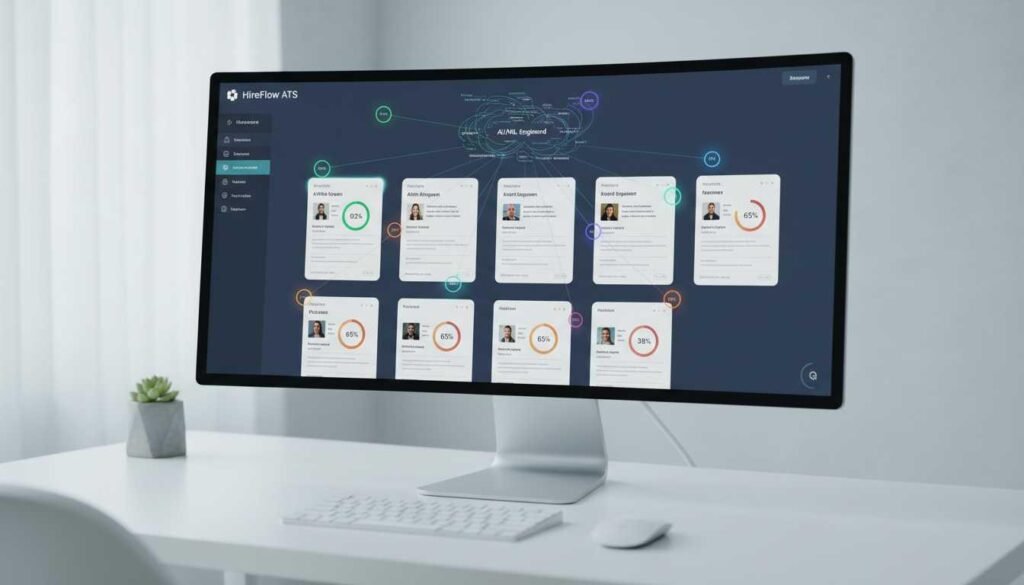
Hiring has become faster and more automated.
Most companies now use ATS-friendly resume systems to scan applications before a recruiter reviews them.
That means your resume is being judged in seconds based on keyword relevance.
If your keywords do not match, your resume is often rejected automatically.
If you are applying and hearing nothing back, this might be why.
Keywords matter because they reflect:
- Skills employers actively search for
- Tools and platforms required for the role
- Industry language used in job descriptions
- Measurable capabilities tied to performance
Without them, even a strong resume can look unrelated to the job.
How ATS Systems Actually Read Your Resume

Think of ATS as a filtering engine, not a human reader.
It scans for:
- Exact keyword matches
- Contextual similarity
- Frequency of relevant terms
- Role specific language alignment
For example, if a job description says “Agile project management,” but your resume only says “led projects,” the system may not connect the two.
This is a common reason why resumes get rejected.
We have seen this pattern repeatedly in resume review sessions. Small wording changes often lead to major differences in interview rates.
It is not about changing your experience. It is about translating it correctly.
Resume Keywords by Industry 2026
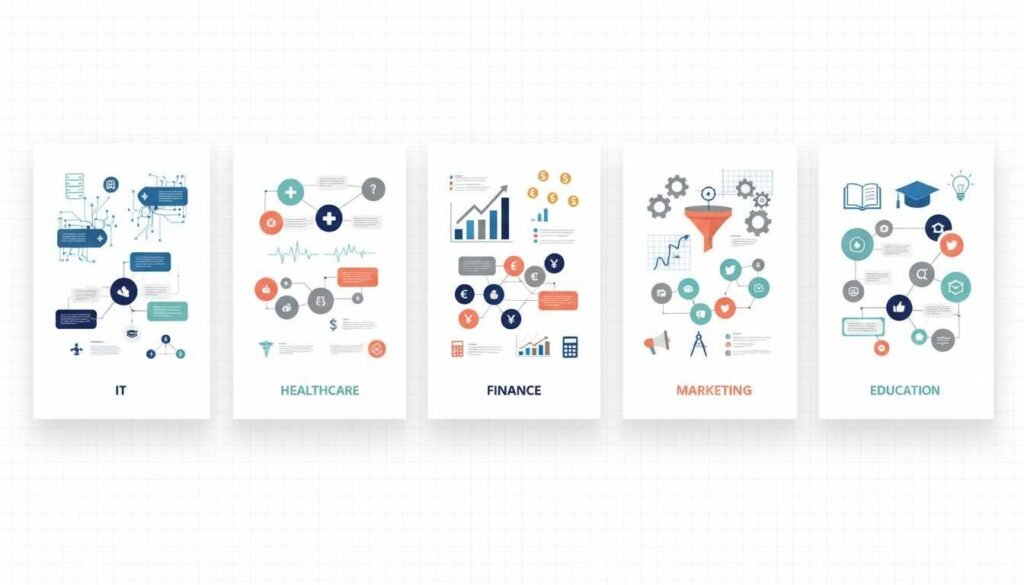
Below is a practical breakdown of high-impact resume keywords by industry. These are commonly used in hiring systems and job descriptions.
Use them naturally inside your resume, especially in experience and skills sections.
Information Technology and Software
Key keywords:
- Software development lifecycle
- Agile methodology
- Scrum framework
- Cloud architecture
- AWS, Azure, Google Cloud
- API integration
- DevOps practices
- Cybersecurity
- Machine learning models
- Python, Java, JavaScript
- CI/CD pipelines
- Data engineering
Tech hiring is highly keyword driven. Missing tools or frameworks often leads to instant rejection.
Healthcare and Medical
- Patient care management
- Clinical documentation
- Electronic Medical Records (EMR)
- HIPAA compliance
- Diagnosis support
- Treatment planning
- Medical coding (ICD-10, CPT)
- Patient assessment
- Emergency response
- Nursing protocols
- Healthcare operations
Healthcare resumes must show both compliance and technical precision.
Finance and Accounting
- Financial analysis
- Budget forecasting
- Risk management
- GAAP compliance
- Auditing processes
- Accounts payable and receivable
- Financial reporting
- Investment analysis
- Cash flow management
- ERP systems (SAP, Oracle)
- Tax compliance
Finance roles require accuracy and structured language. Vague wording weakens credibility.
Marketing and Sales
- Digital marketing strategy
- SEO optimization
- Paid advertising campaigns
- Content marketing
- Lead generation
- CRM platforms (Salesforce, HubSpot)
- Conversion rate optimization
- Brand management
- Social media strategy
- Sales pipeline development
- Market research
If your resume is not getting interviews in marketing, it is often due to weak keyword alignment with measurable outcomes.
Engineering
- CAD design and modeling
- Systems engineering
- Structural analysis
- Lean manufacturing
- Six Sigma methodology
- Quality assurance
- Product development
- AutoCAD, SolidWorks
- Process optimization
- Safety compliance
- Technical documentation
Engineering resumes must connect tools with impact, not just responsibilities.
Education and Training
- Curriculum development
- Instructional design
- Classroom management
- Student assessment
- Learning outcomes evaluation
- E-learning platforms
- Educational technology
- Lesson planning
- Academic advising
- Training program design
Education roles value structured communication and measurable teaching outcomes.
Operations and Administration
- Process improvement
- Workflow optimization
- Supply chain coordination
- Inventory management
- Vendor relations
- Office administration
- Scheduling systems
- Data reporting
- Microsoft Office Suite
- Operational efficiency
Operations roles are highly efficiency focused, so clarity is key.
Why Resumes Get Rejected Even With Strong Experience

If you are wondering why resumes get rejected, it is usually not a lack of skill.
It is often one of these issues:
- Missing job specific keywords
- Using generic job descriptions
- Weak achievement framing
- No alignment with job postings
- Poor ATS structure
- Inconsistent resume and LinkedIn optimization
Most candidates assume they need more experience. In reality, they often need better positioning.
Resume Mistakes That Quietly Kill Opportunities
Here are common mistakes we see during resume review work:
- Using one resume for all applications
- Ignoring job description language
- Listing duties instead of achievements
- Overusing generic phrases like “responsible for”
- Not tailoring keywords per role
- Ignoring LinkedIn optimization alignment
This is where resume help becomes valuable, especially for mid-career professionals and career switchers.
Resume vs AI Resume
AI tools are useful, but they are not enough on their own.
| Factor | AI Resume | Human Resume Strategy |
| Keyword accuracy | General | Industry specific |
| Storytelling | Limited | Strong |
| ATS alignment | Moderate | High |
| Recruiter impact | Weak | Strong |
| Interview results | Inconsistent | More consistent |
A strong resume writing service combines structure, strategy, and hiring insight, not just text generation.
Real Example: Keyword Change That Increased Interviews
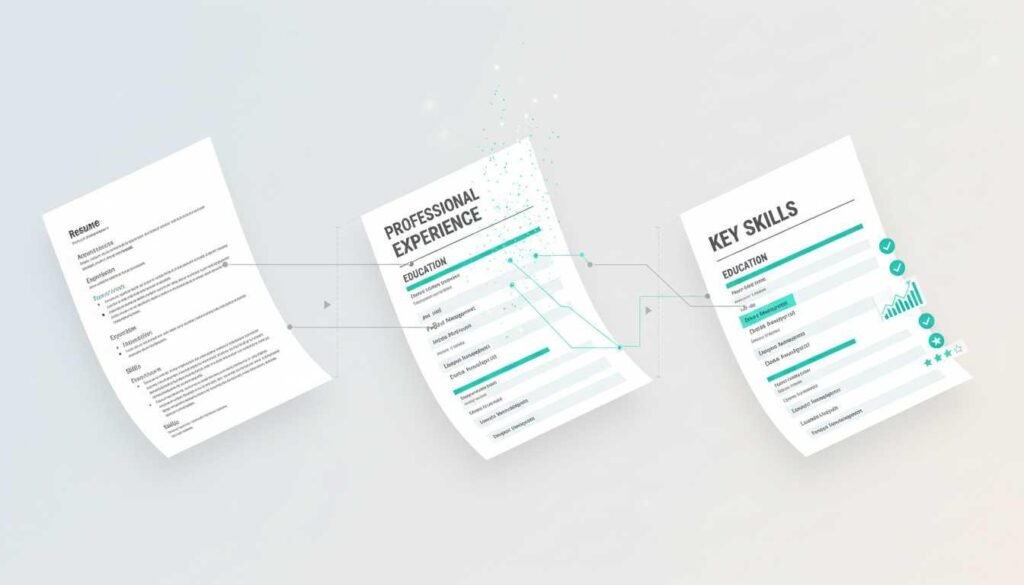
A mid-level project manager came to us after months of silence.
Same experience. Same career history. No interviews.
His resume used general phrases like “managed teams” and “handled projects.”
After a detailed resume review, we restructured it using industry keywords:
- Agile project delivery
- Stakeholder management
- Cross functional team leadership
- Process optimization
- Sprint planning and execution
Within weeks, interview invitations started coming in.
Nothing about his experience changed. Only the language did.
That is the power of keyword alignment.
Resume and LinkedIn Must Work Together
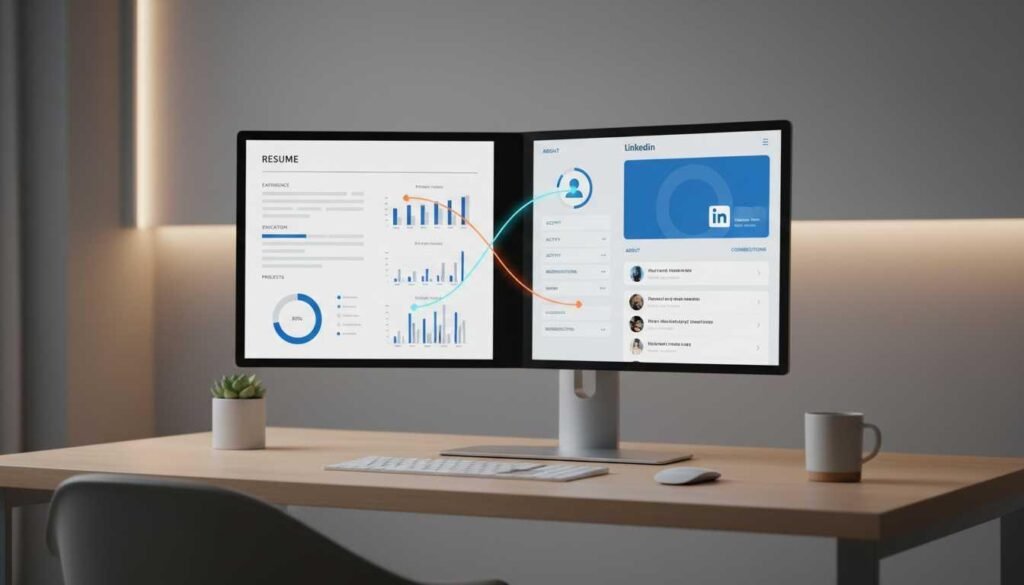
Many professionals treat LinkedIn optimization and resumes separately.
That is a mistake.
Recruiters compare both.
If your resume says one thing and your LinkedIn profile says another, it creates doubt.
Strong alignment ensures:
- Consistent keyword strategy
- Clear professional positioning
- Better recruiter visibility
- Stronger credibility
We’ve helped professionals across industries improve resumes and LinkedIn profiles together for better job search results.
Common Myths About Resume Keywords
Let’s clear a few misunderstandings.
More keywords mean better chances
Not true. Relevance matters more than volume.
Templates fix resume problems
Templates help structure, but not strategy.
ATS is the only issue
Human recruiters still evaluate clarity and impact.
AI resumes are enough today
Not without human refinement and industry alignment.
When Professional Help Makes Sense

If you are:
- Applying consistently but not getting interviews
- Unsure what is wrong with your resume
- Transitioning careers
- Feeling overwhelmed by job applications
Then it may be time to consider structured support.
A professional resume writing service can help with:
- ATS-friendly resume optimization
- Industry keyword alignment
- Resume and LinkedIn optimization
- Cover letter writing
- Job application help
- Reverse recruiting support
You can start with a free resume review or book a consultation to understand where your resume stands today.
Explore:
- Resume review page
- Pricing and packages
- How it works
- Resume writing standards
- Contact support
Frequently Asked Questions
Why is my resume not getting interviews?
Usually due to missing keywords or weak alignment with job descriptions.
Are ATS-friendly resumes really important?
Yes. Most companies use ATS systems before a human sees your resume.
Is it worth hiring a resume writer?
Yes, especially if you are not getting interviews despite consistent applications.
How long should a resume be?
One to two pages depending on experience.
Can a resume help me switch careers?
Yes, if it is written to highlight transferable skills using the right keywords.
What is reverse recruiting?
It is a service where experts help you target and apply to the right opportunities.
Final Thoughts
A resume is not just a record of your experience.
It is a translation of your career into a language recruiters and systems understand.
And when that translation is done correctly, everything changes.
More interviews. Better conversations. Real opportunities.
A good resume does more than list your experience. It tells your story in a way that makes someone want to interview you.
If you are ready to improve your results, start with a free resume review or speak with a resume expert. Sometimes small keyword changes are all it takes to unlock the next stage of your career.