


You’ve applied to dozens of jobs. Maybe even hundreds.
How to write a cover letter that gets interviews is one of the most important skills in 2026 job searching.
You have a solid resume. You may even have tried an ATS-friendly resume format, updated your LinkedIn, and followed every job application tip you could find online.
And still, nothing.
No interviews. No replies. Just silence.
Let’s be honest, that part of job searching starts to feel personal after a while.
Most job seekers assume the resume is the main issue. Sometimes it is. But often, there is another piece quietly working against you.
Your cover letter.
Not because you are writing it “wrong” in a dramatic way, but because it is not doing its real job. It is not connecting your experience to the role in a way that makes a hiring manager stop and pay attention.
If you’re applying and hearing nothing back, this might be why.
We have worked with professionals across industries through our professional resume writing service, and we’ve seen this pattern repeatedly. Strong candidates get ignored, not because they lack skill, but because their story is not being told clearly across their resume, cover letter, and LinkedIn profile.
A strong cover letter changes that.
Not by sounding impressive. But by sounding intentional.
Why Cover Letters Still Decide More Than You Think
There is a growing belief that cover letters do not matter anymore.
That is not entirely true.
In high-volume hiring environments, maybe they get skimmed. But in mid-career, executive, and competitive roles, they still influence decisions more than most people realize.
Most job seekers don’t realize this.
A resume shows what you did. A cover letter explains why it matters and why you are the right fit for this specific role.
That difference is subtle, but powerful.
We have seen hiring managers use cover letters to:
- Shortlist between similar candidates
- Understand motivation behind career moves
- Gauge communication skills
- Filter out generic applicants quickly
This is where a lot of resumes quietly fail, not because of experience, but because of positioning.
The Real Reason Your Cover Letter Is Not Working
Before we talk about structure, we need to be honest about what usually goes wrong.
Most cover letters fail because they are built around the wrong goal.
Instead of creating interest, they try to “explain everything.”
That leads to:
Too much repetition
The cover letter becomes a rewritten resume.
Too much formality
It sounds robotic, not human.
No real targeting
It could be sent to any company.
No connection to the role
It ignores what the job actually requires.
If your resume is not getting interviews, your cover letter might be reinforcing the problem instead of fixing it.
How Hiring Systems Actually Filter Candidates
To understand cover letters, you also need to understand the system around them.
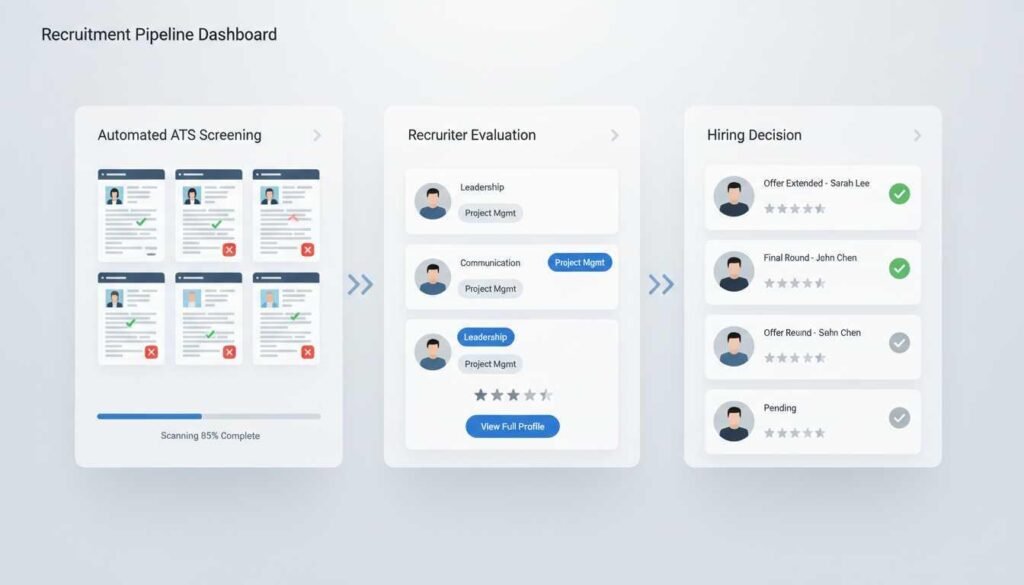
Most job applications go through multiple layers:
Step 1: ATS screening
This is where your resume is scanned. If it is not structured correctly, it may never reach a human.
That is why having an ATS-friendly resume is critical.
Step 2: Recruiter scan
If you pass ATS, a recruiter spends seconds scanning your application.
They are looking for clarity, relevance, and signals of fit.
Step 3: Hiring manager review
This is where cover letters matter most.
At this stage, the question is simple.
“Does this person make sense for this role?”
Your cover letter answers that question or it does not.
How to Write a Cover Letter That Actually Gets Interviews
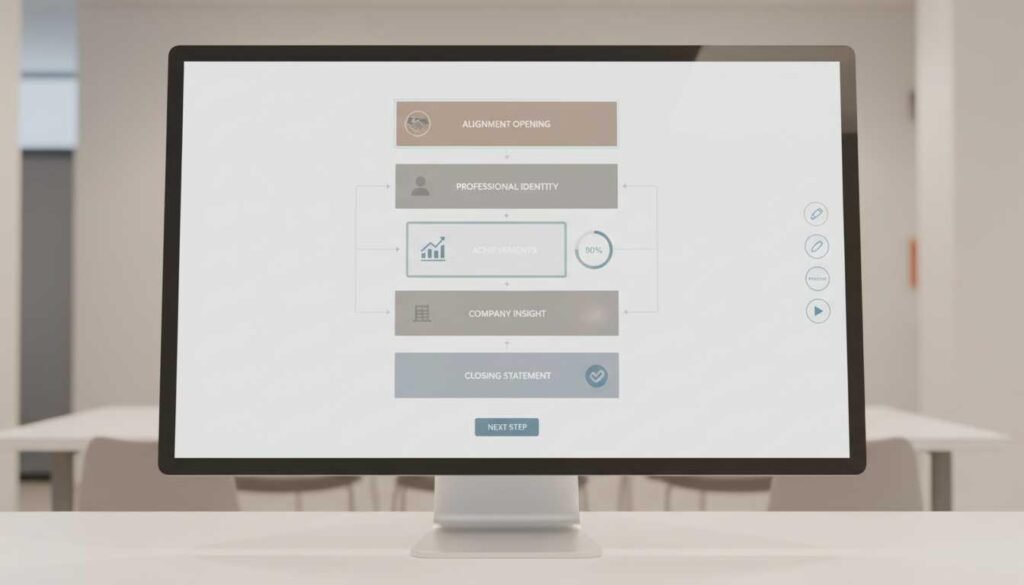
Let’s break this into a practical structure you can actually use.
1. Start with relevance, not introductions
Most cover letters open with something like:
“I am writing to apply for the position of…”
That is not wrong, but it is not effective either.
Instead, start with alignment.
Example:
“You are looking for a project manager who can lead cross functional teams in fast paced environments. That is exactly the type of work I have been doing for the past six years.”
This immediately tells the reader:
- You understand the role
- You have relevant experience
- You are not sending a generic application
2. Briefly define who you are
Keep this short. One paragraph.
Focus on:
- Your current role or identity
- Your core strength
- Your relevance to the position
No long career history. No life story.
3. Highlight one or two meaningful achievements
This is where many candidates overdo it.
More is not better here.
Pick examples that match the job description.
If you are already working on job application help or resume review support, this is usually the section that gets refined the most because relevance matters more than volume.
4. Show genuine company interest
Most candidates skip this or make it generic.
Avoid:
“I admire your company’s innovation.”
Instead, be specific:
- A product they launched
- A challenge in their industry
- A direction the company is moving toward
This shows intent, not just availability.
5. End with quiet confidence
No overexplaining.
No begging tone.
Just clarity.
Example:
“I would welcome the opportunity to discuss how my experience can contribute to your team.”
Simple. Direct. Professional.
Resume vs AI Resume vs Human Cover Letters
There is a growing trend of AI tools writing resumes and cover letters.
And yes, they help.
But there is a difference between structured content and hiring impact.
| Approach | Strength | Weakness |
| AI resume | Fast and structured | Often generic and flat |
| DIY resume | Personalized | Often unclear or unoptimized |
| Professional resume writing service | Strategic positioning | Requires investment |
We’ve seen candidates with strong experience get ignored because their AI-generated content sounds correct but feels disconnected.
Hiring is still a human decision. That is why human tone and intent matter in both resumes and cover letters.
Common Cover Letter Mistakes That Lead to Rejection
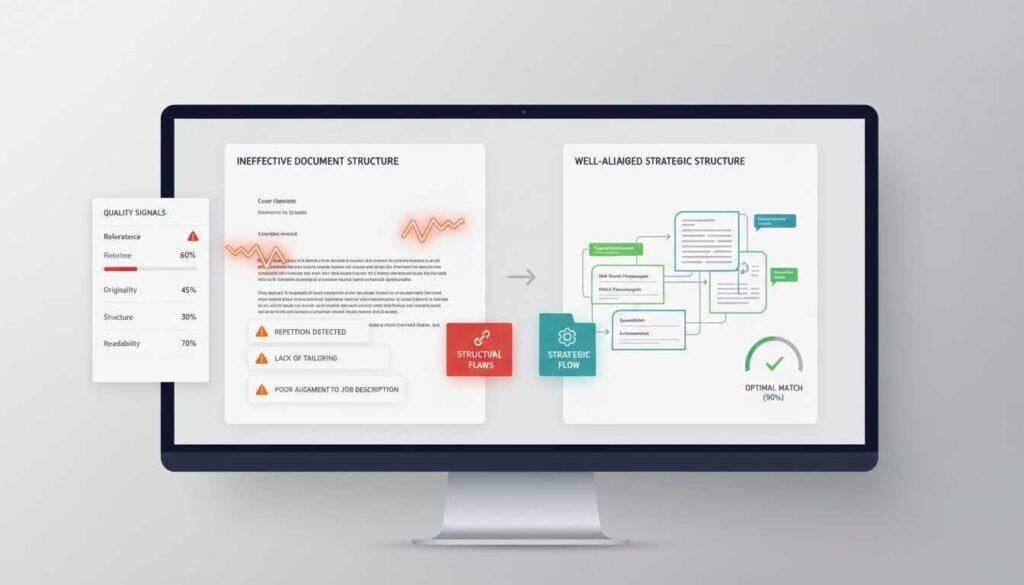
Here are the most frequent issues we see during resume review sessions:
Writing mistakes
- Too long or unfocused
- Overly formal language
- Repeating resume content
Strategy mistakes
- Not tailoring for each role
- Ignoring company context
- Using the same letter everywhere
Positioning mistakes
- Overexplaining gaps
- Sounding uncertain
- Focusing on effort instead of value
If you are struggling with resumes not getting interviews, these patterns often appear across both your resume and cover letter.
Real Case Study: When Everything Finally Clicked
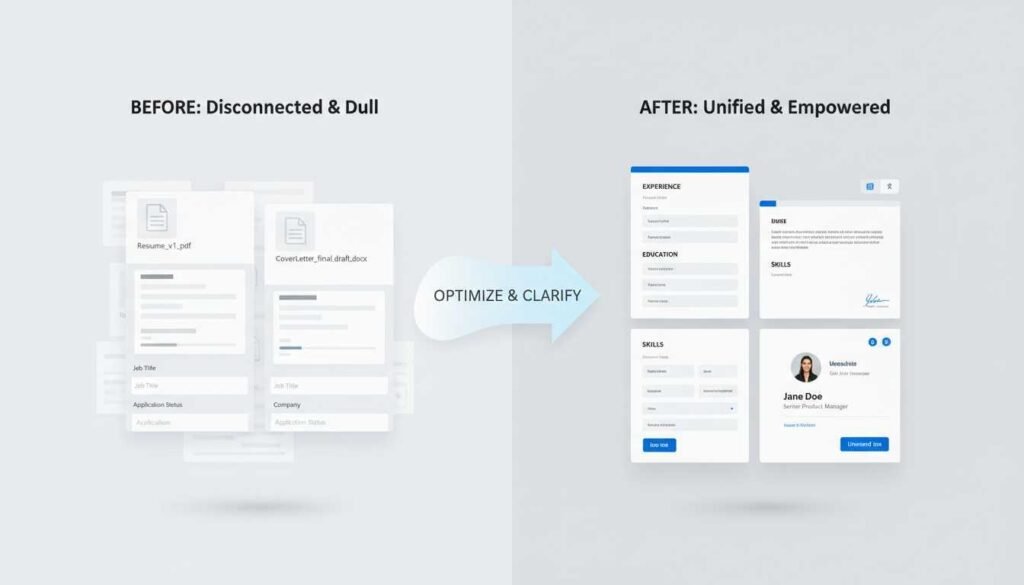
A mid-career software engineer came to us after months of silence.
They had:
- Strong technical background
- Multiple projects in production environments
- A clean resume they built using templates
Still, no interviews.
Their issue was not skill.
It was communication.
Their cover letter was generic, and their resume did not highlight impact clearly.
We worked on:
- Rebuilding their resume with ATS optimization
- Aligning their LinkedIn optimization with target roles
- Writing tailored cover letters for each application
Within three weeks, things changed.
Interview requests started coming in from companies that had previously ignored them.
Same person. Different story.
That is what alignment does.
Signs Your Cover Letter and Resume Need Help
If you are unsure where the problem is, here are signs:
- You are applying consistently but getting no replies
- Your resume feels “okay” but not effective
- You are using templates without results
- You are not getting feedback from recruiters
- Your applications feel repetitive and tiring
At that point, it is usually not just a resume issue. It becomes a full job search strategy issue.
When Professional Help Actually Makes a Difference
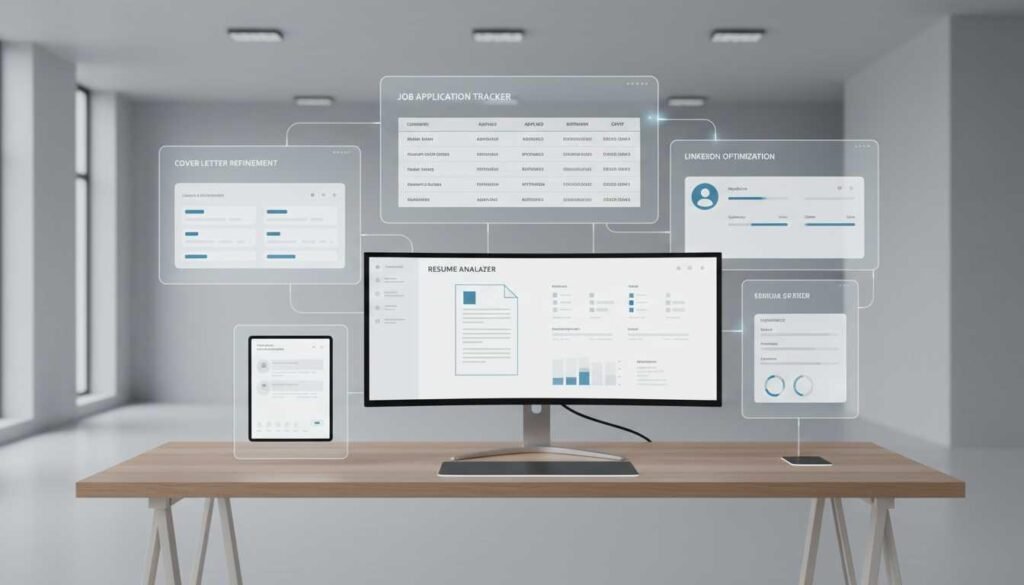
There is a point where effort alone is not enough.
That is where structured support matters.
Through our resume writing service, we help professionals with:
- ATS-friendly resume optimization
- Cover letter writing tailored to roles
- LinkedIn optimization for visibility
- Resume review and feedback
- Full job application help strategies
We have also supported candidates through reverse recruiting support, where job search execution is handled more strategically and consistently.
You can explore our resume packages, how it works, or contact page if you want clarity on next steps.
Sometimes the biggest shift is not doing more.
It is doing the right things differently.
Frequently Asked Questions
Why is my resume not getting interviews?
It is often a mix of ATS issues, unclear positioning, and weak or generic cover letters.
Are ATS-friendly resumes really important?
Yes. They ensure your resume is actually seen by a human in many companies.
Is it worth hiring a resume writer?
For mid-career and senior roles, yes. It often improves clarity and interview outcomes significantly.
How long should a cover letter be?
Usually 250 to 400 words. Clear, focused, and relevant is best.
Can a cover letter help career switchers?
Yes. It is one of the most important tools for explaining transitions clearly.
What is reverse recruiting?
It is when professionals support your job search by helping with applications, positioning, and targeting.
Final Thoughts
A cover letter is not about sounding perfect.
It is about sounding clear.
Clear about what you bring, why you are applying, and why you fit this role specifically.
We have seen this repeatedly in our work with professionals across industries. When resume, cover letter, and LinkedIn profile all align, job searches become more effective.
Not effortless. But more effective.
A good resume gets you noticed.
A strong cover letter gets you considered. And together, they get you interviews.
If you take one thing from this, let it be this. A job application is not just a list of qualifications. It is a story about fit.