



You refresh your inbox again.
Still nothing. No interviews. No callbacks. Just silence after applying to job after job.
Let’s be honest, that kind of job search experience can wear anyone down. You start questioning your resume, your experience, even your confidence.
And somewhere in that process, you notice something that keeps bothering you. An employment gap you keep trying to ignore or “figure out later.”
Most job seekers don’t realize this, but gaps are not what usually stops hiring decisions. It is how those gaps are presented that creates hesitation.
If you are applying and hearing nothing back, this might be part of the reason.
This is where a lot of resumes quietly fail.
Not because the candidate is unqualified. But because the story is unclear.
Why Employment Gaps Create Silent Doubt in Hiring
Recruiters are not looking for perfection.
They are looking for clarity and confidence.

When a resume has unexplained gaps, it creates a small but powerful problem. The recruiter has to interpret what happened, and most hiring decisions do not allow time for interpretation.
They start asking:
- Was this person actively working elsewhere
- Did they leave due to performance issues
- Are their skills still relevant
- Will they be reliable in a new role
None of these questions are fair, but they happen quickly in screening.
This is why ATS-friendly resume structure matters more than most people think. It is not just about keywords. It is about how smoothly your timeline is understood.
Real Issue Is Not the Gap, It Is the Unclear Story
Let’s pause for a moment.
A gap itself rarely gets you rejected.
A confusing gap does.
We see this repeatedly in resume writing service work with professionals across industries. Engineers, managers, executives, career switchers. The pattern is consistent.
When the timeline is unclear, resumes get rejected faster, even when the experience is strong.
This is one of the hidden reasons behind resumes not getting interviews.
How to Explain Employment Gaps Honestly on Your Resume
You do not need to overthink this.
You do not need long explanations or personal detail.

You need clarity, structure, and honesty.
Here is how we approach it in professional resume writing service work.
1. Use Simple, Neutral Language
Keep it short. One line is often enough.
Examples:
- Career break for personal and family responsibilities
- Professional transition period focused on skill development
- Role impacted due to company restructuring
- Medical leave with full recovery and return to work readiness
No drama. No over-explaining. Just clarity.
2. Add Productive Activity Only If It Exists
If you did something during the gap, include it briefly.
- Certifications or courses
- Freelance or contract work
- Volunteer projects
- Self-directed learning
This helps shift perception from inactivity to progression.
3. Avoid Hiding or Manipulating Dates
This is a common mistake.
Candidates sometimes try to compress timelines or remove roles entirely.
This usually backfires, especially in ATS systems and structured interviews.
Recruiters value honesty more than perfection.
Where Employment Gaps Should Appear on Your Resume
Placement is often overlooked, but it matters.
Option 1: Integrated Experience Timeline
Best for small or short gaps.
Option 2: Career Break Section
Simple section labeled:
“Career Break” or “Professional Development Period”
This works well for longer breaks.
Option 3: Hybrid Resume Format
A hybrid structure is often best for career switchers or professionals with multiple transitions.
It improves readability and supports how to pass ATS systems more effectively.
What Recruiters Actually Focus On
Most job seekers assume the gap is the problem. It is not.

Recruiters focus on:
- Recent experience relevance
- Skill alignment with the role
- Career progression clarity
- Overall presentation of the resume
This is why job application help often focuses more on structure than rewriting everything.
A strong resume does not hide gaps. It frames them correctly.
How ATS Systems See Employment Gaps
ATS systems do not judge gaps emotionally.
But they do evaluate structure.
If your resume has:
- inconsistent job dates
- unclear formatting
- missing role transitions
It becomes harder to interpret.
This is where ATS-friendly resume formatting plays a real role. Not just for keywords, but for clarity and parsing accuracy.
Resume vs AI Resume: Why Gaps Get Mishandled
AI tools have become common in job applications.
But they are not always reliable for handling career gaps.
Here is what often goes wrong:
- Gaps are softened or removed incorrectly
- Context is stripped out
- Generic wording replaces real explanation
- Career narrative becomes inconsistent
This creates resumes that look clean but feel disconnected.
We’ve seen this lead to fewer interviews, even when experience is strong. A human resume writing service focuses on context, not just structure.
That difference matters more than most people expect.
Resume and LinkedIn Must Work Together
Your resume is not the only document recruiters review.
LinkedIn is often checked before interviews.

If your resume shows a gap but LinkedIn does not explain it, or worse, contradicts it, it creates uncertainty.
This is where LinkedIn optimization becomes critical.
Both should align on:
- timeline clarity
- career transitions
- skill development
- current positioning
When both platforms tell the same story, trust increases.
Case Study: Turning a Gap Into a Strong Narrative
Here is a real pattern we see often.
Candidate: Operations Manager
Gap: 16 months due to restructuring and reskilling
Before
- No explanation for gap
- Resume focused only on past employment
- No mention of learning or development
- Low interview response rate
After Resume Strategy Work
- Clear “Professional Transition Period” added
- Certifications and upskilling included
- Strong focus on measurable achievements
- ATS-friendly resume structure applied
Result
Within weeks, the interview rate improved significantly. Nothing changed about the candidate’s ability. Only the clarity of presentation improved.
We’ve seen this across engineers, managers, executives, and career switchers.
Common Myths About Resume Gaps
Let’s clear a few misconceptions.
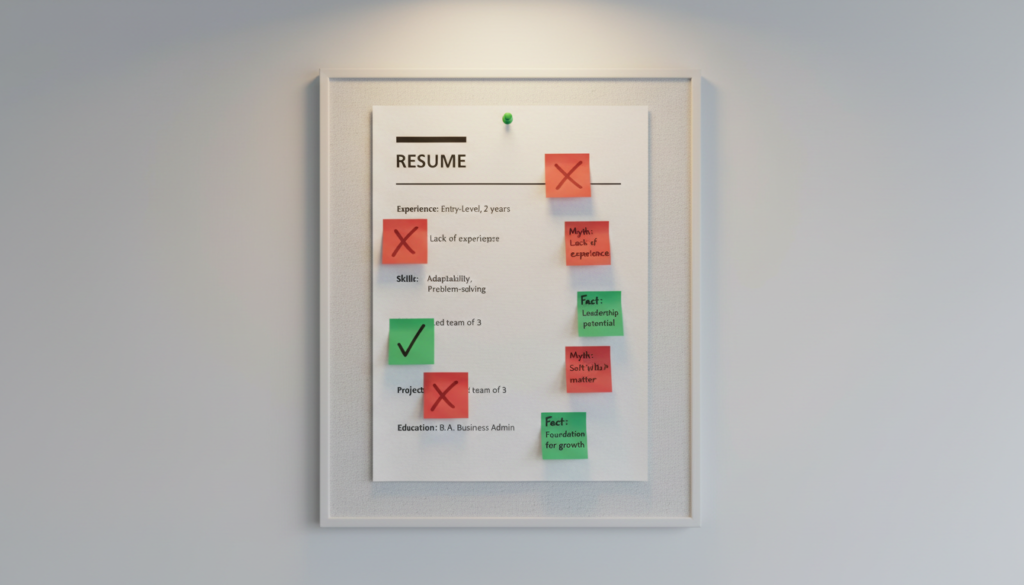
Myth 1: Gaps ruin your chances
False. Unexplained gaps are the issue, not the gaps themselves.
Myth 2: You should hide gaps
Risky and unnecessary. Transparency builds trust.
Myth 3: Templates fix everything
Templates rarely solve narrative problems.
Myth 4: AI resumes are enough
Not when career context matters.
Do’s and Don’ts for Explaining Resume Gaps
Do
- Keep explanations short and factual
- Highlight any relevant activity during the gap
- Maintain consistent formatting
- Align resume and LinkedIn messaging
Don’t
- Over explain personal circumstances
- Leave gaps completely blank
- Manipulate dates or job history
- Rewrite your entire career unnecessarily
Signs Your Resume Gaps Are Hurting You

- You are applying consistently but getting no responses
- Recruiters view your profile but do not follow up
- Interviews are rare or inconsistent
- You are unsure how to explain your timeline
- Your resume feels “off” but you cannot identify why
If this sounds familiar, it may be time for a professional resume review.
Frequently Asked Questions
Why is my resume not getting interviews after a gap?
Most often, it is not the gap itself but unclear explanation or inconsistent structure.
Are ATS-friendly resumes important for handling gaps?
Yes. They improve readability and ensure your experience is correctly parsed.
Is it worth hiring a resume writer for employment gaps?
If gaps are affecting your callbacks, a professional resume writing service can significantly improve positioning.
How long is too long for a resume gap?
There is no strict limit. What matters is how the gap is explained and supported.
Can a resume help me switch careers after a gap?
Yes. Many successful career transitions happen after structured breaks when positioning is done correctly.
What is reverse recruiting?
It is a job search support service where experts help position your profile and assist with job applications strategically.
When Professional Help Makes Sense
If you are applying and not getting results, the issue may not be your experience.
It may be your presentation.
We have helped professionals across industries improve resumes, LinkedIn profiles, and job search strategy using real hiring insights and ATS knowledge.
Our work is not just writing. It is positioning.
You can:
- Get a free resume review
- Book a free consultation with a resume expert
- Explore structured resume packages
- Or ask about reverse recruiting support if job applications feel overwhelming
You can also learn more about our process, pricing, and resume writing standards on our website.
Final Thoughts
Employment gaps are not the problem most people think they are.
The real issue is uncertainty. And uncertainty can be fixed.
A strong resume does more than list experience. It tells your story in a way that makes a hiring manager feel confident saying, “Let’s talk.”
That is what gets interviews. And that is what a good resume strategy is really about.